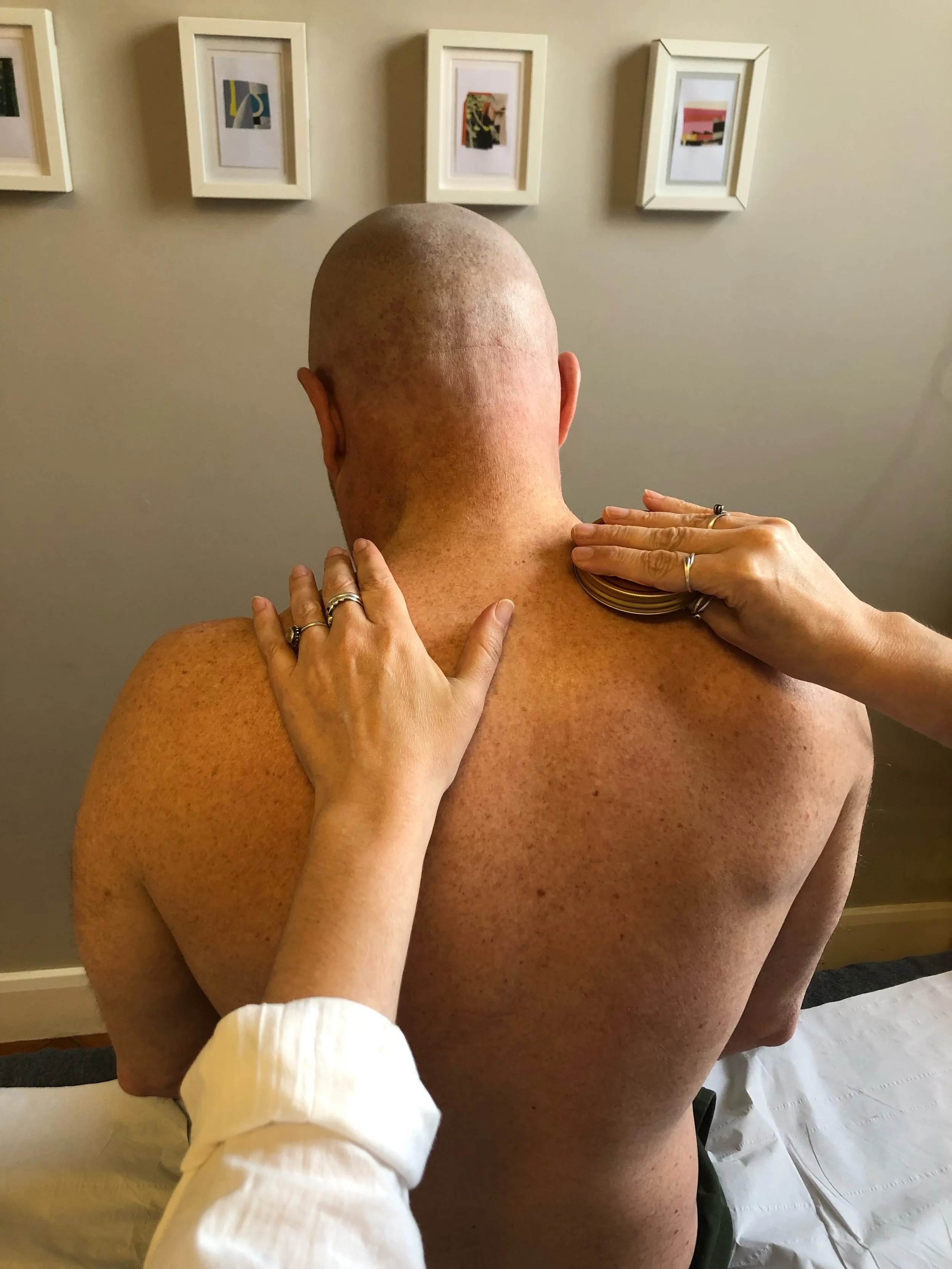
Acupuncture
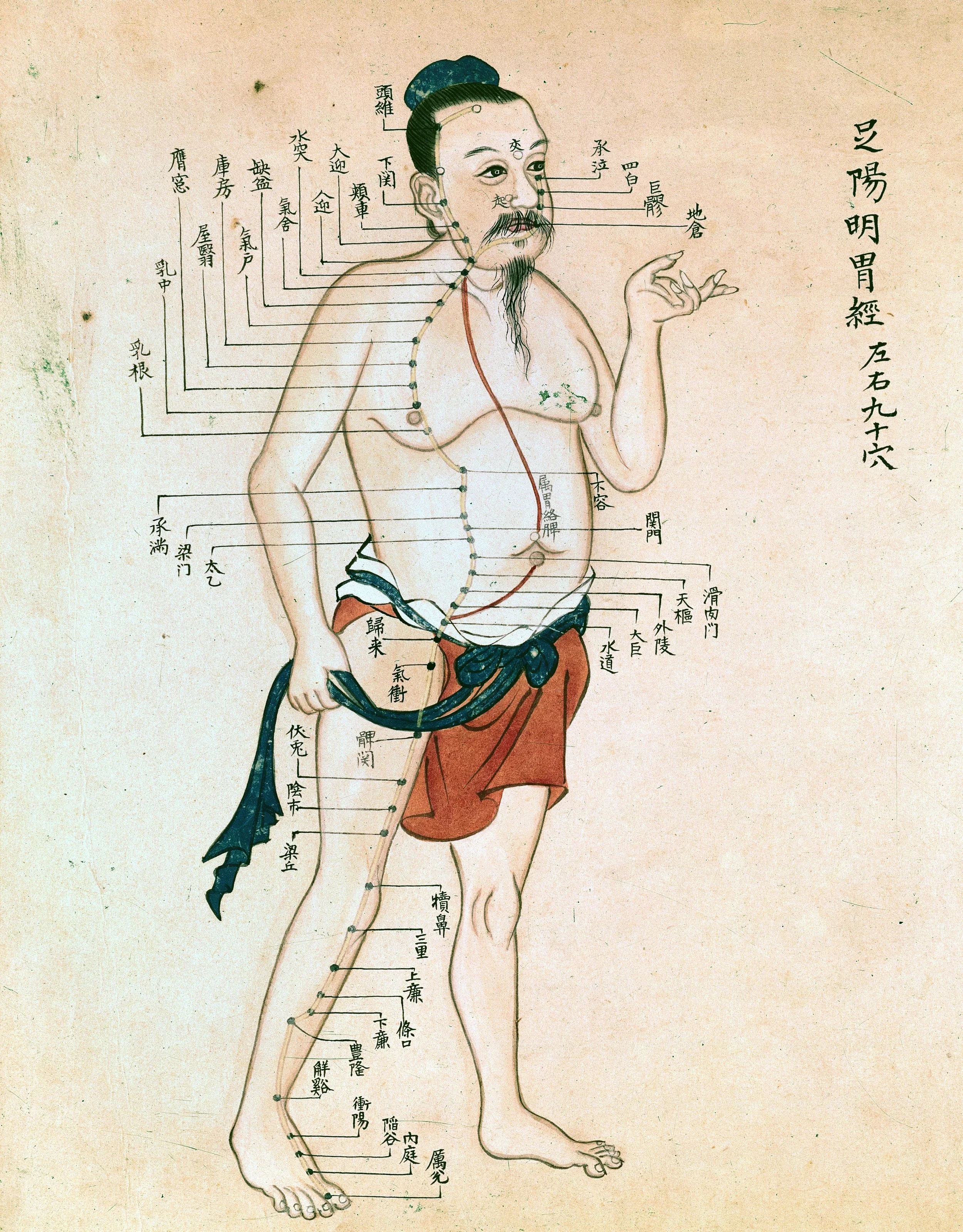
Acupuncture is a time-honored healing practice rooted in Traditional Chinese Medicine, with a history spanning over 2,000 years. It is based on the principle that health is governed by the smooth flow of vital energy, known as Qi (pronounced “chee”), through a network of pathways in the body called meridians.
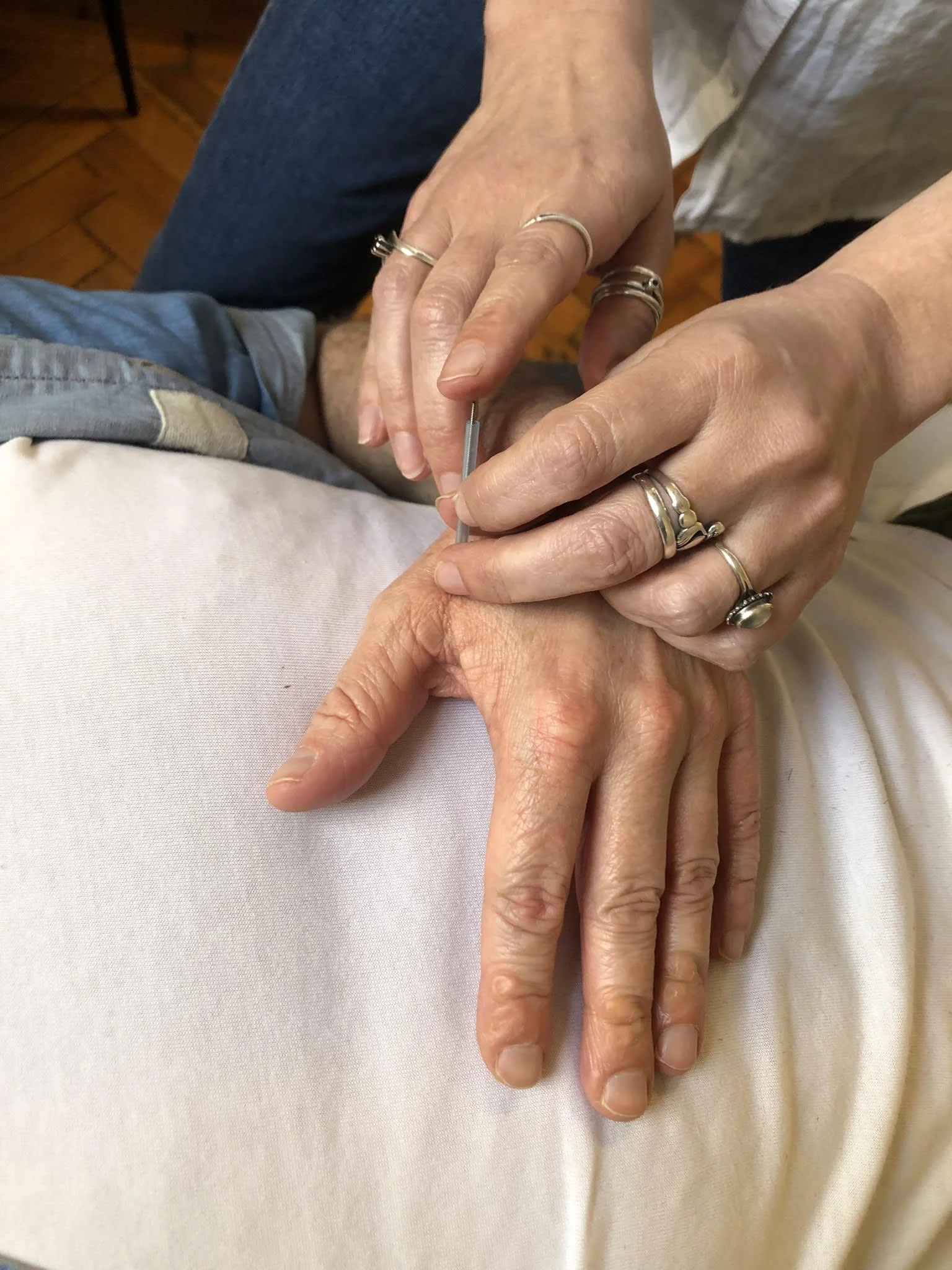
When Qi becomes blocked/stagnated, or deficient, it can lead to pain, illness, or emotional imbalance. Acupuncture aims to restore harmony by gently inserting fine, sterile needles into specific points along these meridians to regulate the flow of energy, support the body's natural healing processes, and promote overall well-being.
Treatments are personalised to each individual, taking into account physical symptoms, emotional state, lifestyle, and underlying patterns of disharmony. In addition to relieving pain, acupuncture can be used to support a wide range of conditions, including pain, stress, insomnia, digestive issues, menstrual disorders, fatigue, and more.
Whether you're seeking relief from a chronic condition or looking to maintain balance in your life, acupuncture offers a holistic and natural approach to health and wellbeing..
"When yin is dominant, yang will be diseased; when yang is dominant, yin will be diseased. Dominance of yang produces heat; dominance of yin produces cold."
— Huangdi Neijing (Suwen, Chapter 5)
How can acupuncture help?
Acupuncture is a gentle, holistic therapy that supports the body’s natural ability to heal and restore balance. By stimulating specific points throughout the body, acupuncture may help:
improve circulation - therefore improve healing
nervous system regulation - bringing the body into a state of rest and digest, which is the optimal state for healing to take place
reduce stress - soothing the mind and body
relieve pain - by activating the release of endorphins, serotonin and dopamine
support better sleep - reducing stress, calming the nervous system and reducing pain will all translate to a better nights rest
promote overall wellbeing
Many people seek acupuncture to help manage conditions such as headaches, digestive problems, menstruation issues, hormonal imbalance, mental health issues such as depression & anxiety, musculoskeletal pain, and fatigue. Treatments are tailored to each individual, creating a personalised approach that supports both physical and emotional health.
"He who takes medicine and neglects to diet wastes the skill of his doctors."
— Traditional Chinese Proverb
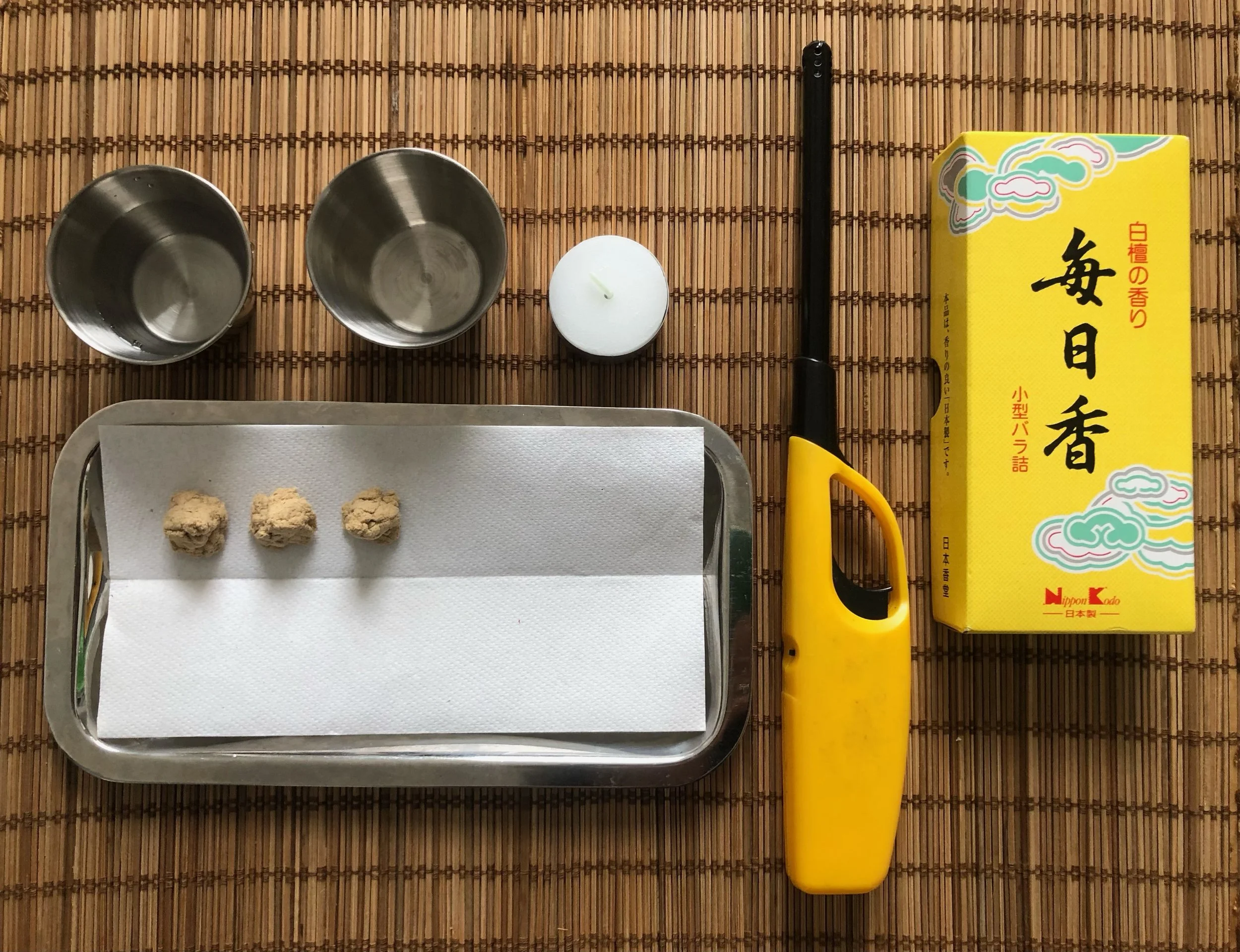
Moxibustion
Moxibustion is a traditional Chinese medicine technique that involves the burning of a healing herb called mugwort (Artemisia vulgaris) to stimulate specific acupuncture points and meridians. The warmth and energy generated by moxibustion helps to move Qi and blood, dispel cold and dampness, and strengthen the body’s overall vitality.
Moxibustion can be used on its own or in combination with acupuncture for a wide range of conditions, particularly those associated with cold, weakness, or stagnation in the body.
Moxibustion is commonly used to support:
Chronic pain (especially from cold and damp conditions)
Digestive issues like bloating, poor appetite or loose stools
Fatigue and low immunity
Menstrual cramps and irregular periods
Cold hands and feet/raynauds syndrome
Fertility and reproductive health
Joint stiffness and arthritis
Breech baby presentation (in later stages of pregnancy
Gua sha
Gua Sha is a traditional East Asian healing technique used in Traditional Chinese Medicine to promote circulation, relieve tension, and support the body’s natural healing processes. The name "Gua Sha" translates to "scraping sand", referring to the gentle scraping motion used to create therapeutic stimulation on the skin.
During treatment, a smooth-edged tool is used to apply rhythmic, scraping strokes across lubricated skin, typically on the back, neck, shoulders, or face. This motion helps release stagnant energy (Qi), encourage blood flow, and relieve deep-seated tension and toxins.
Gua Sha can be helpful for:
Muscle tightness and chronic pain
Neck and shoulder tension
Headaches and migraines
Jaw tension (TMJ)
Poor circulation
Stress and anxiety
Boosting immunity
Facial rejuvenation (when used as a gentle facial technique)
Early stages of colds and flus (reduces symptoms)